Now Reading: The Silent Epidemic : Unmasking Depression
-
01
The Silent Epidemic : Unmasking Depression
The Silent Epidemic : Unmasking Depression

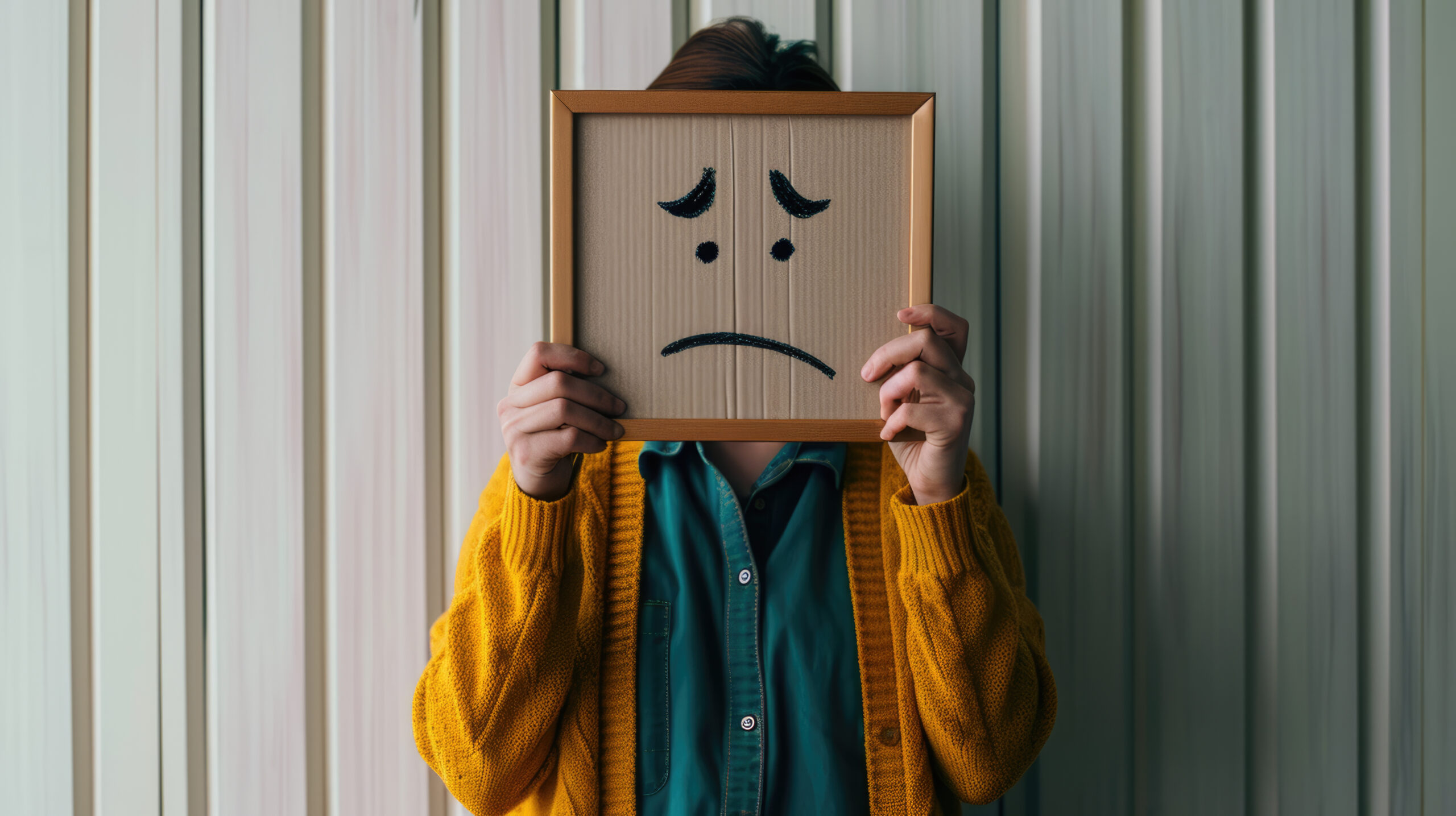
Understanding Depression: Beyond the Misconceptions
Depression is an overly used term and yet, it remains one of the most misunderstood alarms in our society today. Many people define it through their personal experiences, and as our world evolves, so does the understanding of what depression truly is. While its manifestations can be vast and varied, there are certain truths we need to acknowledge: depression is not a choice, it’s not exclusive to any gender, and it’s not a sign of self-infliction.
What Causes Depression?
Many factors can contribute to depression, but at its core, it often stems from a persistent loss of autonomy. It is not merely the inability to do what you want that causes depression; rather, it is the constant pressure to do what you don’t want to do. When the freedom to make choices and act upon them is repeatedly taken away, depression can take root and grow.
Losing the freedom of autonomy and the inability to act upon one’s desires can sustain depression. Trauma is often the initial seed, but it only evolves into depression when left untreated. When trauma is not addressed, it can manifest as a prolonged sense of helplessness and lack of control, leading to deeper mental health issues.
The Evolution of Depression: From Youth to Old Age
How does depression evolve from a younger age to older? Does it get silenced? The idea that time heals depression is one of the biggest lies ever told.
Depression doesn’t simply go away; it often becomes more deeply rooted over time, anchoring itself and affecting every aspect of our lives. It can even pass its effects on to the next generation. Depression alters our thinking, tangles our decision-making processes, and slows down our perception of time. It seeps into our bones, disrupts our immune system, and rewires our hormones.
Rather than fading away, depression can become a persistent shadow, influencing not just our mental state but our physical health as well.

From Mind to Body: How Depression Creates Diseases
Imagine walking into a deep forest and tying a rope to the first tree you pass so that you can find your way back by following the rope. Trauma is like that first tree, often experienced during childhood. As you venture further into the jungle, you cling to the rope as a way to return to your roots, holding it closely as if it is your identity and security.
However, if you choose to see it differently, you’ll realise that the rope restricts you. It makes you walk narrowly and timidly, controlling your path and preventing you from exploring the vast, wild jungle. This rope is a false sense of security created by depression.
Many people, especially women, come to own their depression as part of themselves. In our community, there’s a persistent stigma that depression is predominantly a women’s issue. It’s true that women are nearly twice as likely as men to be diagnosed with depression. This is partly because women are often more vocal about their symptoms. Some may express their struggles openly, while others replay the events in their heads, keeping the depression alive. They hold on to sorrow rather than risk feeling empty inside.
“Depression is being colorblind and constantly told how colourful the world is.” — Atticus
This persistent and pervasive attachment to depression affects more than just the mind—it affects the body too. Depression alters our thinking, tangles our decision-making processes, and slows down our perception of time. It seeps into our bones, disrupts our immune system, and rewires our hormones. Rather than fading away, depression can become a persistent shadow, influencing not just our mental state but our physical health as well.
The Untold Signs of Depression Among Women
When we think of depression, the common signs that come to mind include constant sadness, loss of appetite and interest, overeating, and prolonged sleep. However, there are several other symptoms that often get overlooked. Here are some lesser-known signs of depression among women:
Delayed Periods or Heavy Menstrual Flow
Changes in menstrual cycles, such as delayed periods or unusually heavy flows, can be an indicator of underlying depression.
Painful Menstruation
Experiencing more painful menstrual cramps than usual can be a sign that depression is affecting your body’s physical functions.
Changes in Sleeping Patterns
Beyond sleeping for long hours, depression can also cause insomnia or irregular sleep cycles.
Procrastination and Delaying Responsibilities
A tendency to procrastinate or delay responsibilities, even simple daily tasks, can be a sign of depression.
Overcommitment and Overexertion
Keeping oneself excessively busy or taking on too many commitments can be a way to distract from depressive thoughts, but it can also be a sign of underlying depression.
Lack of Interest in Sex or Intimacy
A decrease in libido or a lack of interest in sexual intimacy can be associated with depression.
Development of Cysts and Fibroids
Depression can manifest physically, contributing to the development of conditions such as cysts and fibroids.
Severe Headaches
Frequent or severe headaches can be another physical manifestation of depression.
Irritability and Mood Swings
Unexpected irritability and significant mood swings can be indicative of underlying depression.
Digestive Problems
Persistent digestive issues, such as IBS or stomach pain, can be linked to depression and stress.

Mental Health Assessment
What could be more dangerous than letting depression seed and root without getting assessed? Failing to address depression properly can lead to a cascade of additional mental health issues that significantly hinder a stable, healthy lifestyle. Here’s why getting assessed by a professional is so crucial:
Early Detection and Treatment
Early assessment by a mental health professional can lead to timely detection and treatment of depression, preventing it from worsening and becoming more difficult to manage.
Comprehensive Care
Professionals can provide a comprehensive care plan that includes therapy, medication, and lifestyle changes tailored to individual needs, offering a holistic approach to managing depression.
Prevention of Co-occurring Disorders
Depression often coexists with other mental health issues such as anxiety, substance abuse, and eating disorders. Early intervention can prevent these conditions from developing or worsening.
Physical Health Impact
As seen from the symptoms, depression can significantly affect physical health. Professional assessment and treatment can help manage these physical manifestations and improve overall well-being.
Improved Quality of Life
Addressing depression with the help of a professional can lead to improved mental, emotional, and physical health, enhancing the quality of life and allowing individuals to lead more fulfilling lives.
Evolving from depression is not just a choice; it is a priority. By taking steps to heal and overcome depression, we are not only saving ourselves but also safeguarding the well-being of future generations. Addressing and managing our mental health breaks the cycle, creating a healthier, more resilient legacy for those who follow. The ball is in your court.










Related Posts



Stay Informed With the Latest & Most Important News
Previous Post
Next Post







Advertisement