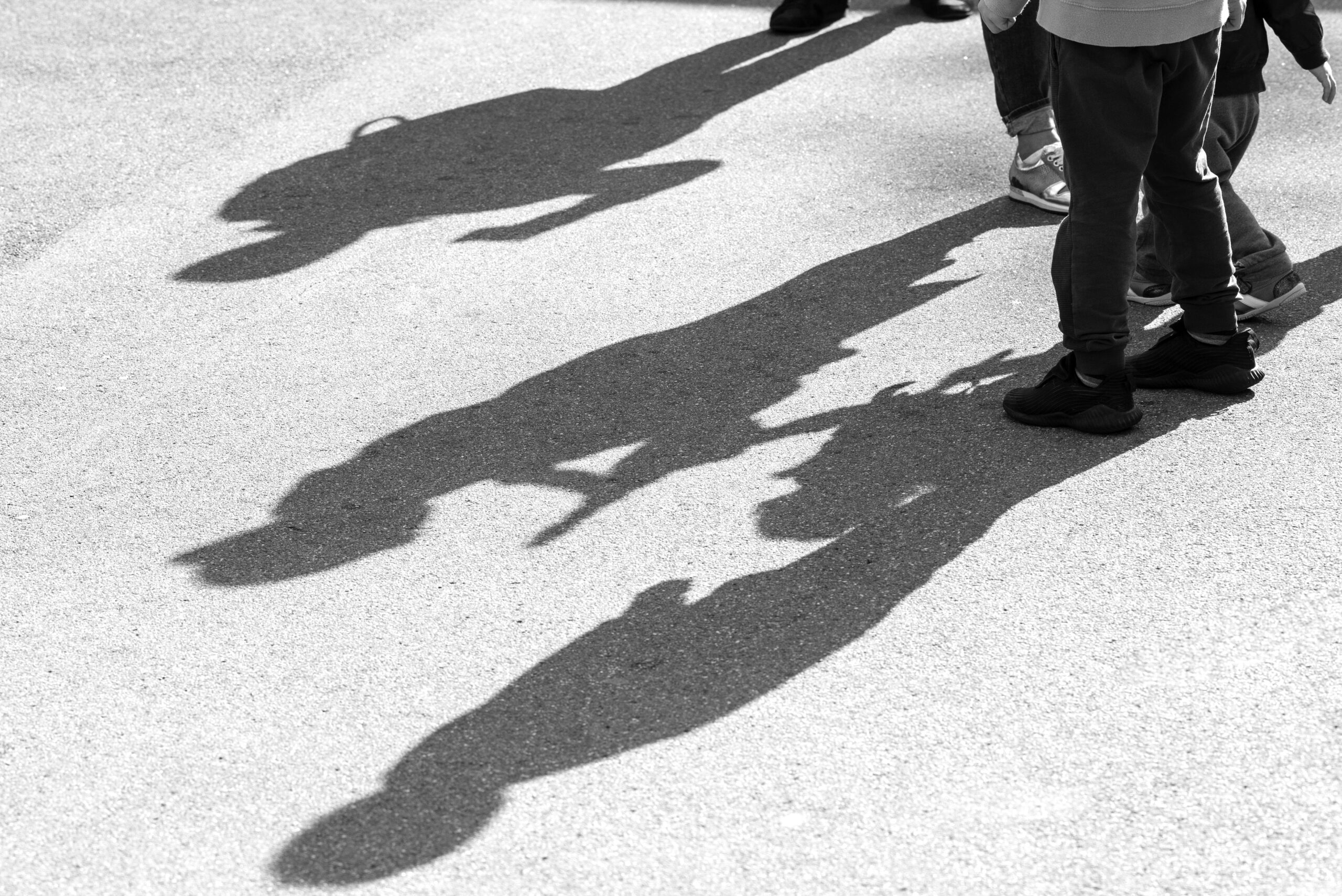
Imagine a Shadow as an invisible companion that follows you wherever you go, quietly influencing your thoughts, feelings, and judgments about others. In the workplace, these Shadows might be hidden biases, assumptions, or judgments that come from past experiences or stereotypes. The trickiest part? They’re unconscious, so you might not even be aware of them.
Examples of Shadows in the Workplace:
- Cultural Biases: Assuming someone’s work style or values based on their cultural background.
- Gender Assumptions: Believing that certain roles are “better suited” to one gender or another.
- Role Stereotypes: Thinking that people in specific positions (e.g., entry-level roles) don’t have the experience to contribute ideas that matter.
When we allow our Shadows to call the shots, we miss out on the full picture. We see people through a filter of our own making, not as they really are. Shadows create blind spots, limiting our ability to connect, collaborate, and make informed decisions.
Enter the Tricksters: Deceptive Thoughts and Snap Judgments
Now let’s talk about the Tricksters. If Shadows are the silent biases lurking in our minds, Tricksters are the active, sneaky thoughts that lead us to jump to conclusions. These Tricksters might show up as stereotypes, hasty assumptions, or false perceptions that cloud our judgment. For instance, have you ever experienced the halo effect? That’s when one positive attribute—like someone’s charisma or appearance—leads you to assume they have other great qualities. Or maybe the horn effect has misled you, where one negative trait colors your view of someone entirely. These Tricksters skew our perceptions and limit our openness to diverse viewpoints.
Examples of Tricksters in the Workplace:
- Appearance-Based Stereotyping: Judging a colleague’s professionalism based on their clothing style rather than their actual work.
- Confirmation Bias: Noticing behaviors that confirm your beliefs about someone while ignoring contradictory evidence.
- Role Assumptions: Assuming that someone in a specific role is better or worse suited for a task based on their job title alone.
Why Should We Care? The Workplace Impact
So, why do Shadows and Tricksters matter? Think of it this way: when these hidden influences are in control, our ability to think clearly, collaborate effectively, and embrace diverse perspectives is diminished. We miss out on the richness of our colleagues’ experiences and talents, focusing instead on our own projections and biases.
This affects not only our individual growth but also the health and productivity of our teams. When unexamined biases limit our creativity and collaboration, innovation suffers, and opportunities for meaningful connections are lost.
Unmasking Shadows and Tricksters: Practical Steps
The good news? We can learn to spot these Shadows and Tricksters and start minimizing their impact. Here are a few ways to begin:
- Self-Reflection: Take a moment to consider your own automatic thoughts about others. What assumptions do you find yourself making? Recognizing your Shadows is the first step to breaking free of them.
- Challenge Your Tricksters: When you find yourself making a quick judgment about someone, pause and ask yourself: Is this based on reality, or is it a Trickster at play? Try to look beyond the surface.
- Ask for Feedback: Sometimes our biases are best revealed when others point them out. Encourage colleagues to give you honest feedback about how you come across, and be open to what they have to say.
- Embrace Diversity: Work to create a culture where everyone’s perspectives are valued. Seek out diverse viewpoints and actively invite different perspectives. The more we expose ourselves to varied ideas, the less power our Shadows and Tricksters will hold.
- Practice Mindfulness: Mindfulness helps you become aware of your own thoughts as they arise, which makes it easier to spot those Shadow-driven and Trickster-inspired moments.
When you catch yourself reacting unconsciously, take a breath and refocus.
Turning the Lights On
Addressing Shadows and Tricksters is a continuous journey that requires self-awareness, empathy, and a commitment to growth. By unmasking these hidden influences, we can improve not only our personal interactions but also the overall workplace culture. We all have biases—it’s a part of being human—but when we actively work to recognize and challenge them, we open the door to greater inclusion, creativity, and productivity.
So, next time you feel an instant judgment bubbling up or find yourself treating someone differently without a clear reason, ask yourself: Is this a Shadow or a Trickster at work? With a bit of curiosity and a willingness to change, we can each play a role in creating a more mindful, inclusive workplace—one that values everyone for who they truly are.