Now Reading: Magic Mushrooms in Asia: The Rising Debate on Psychedelics
-
01
Magic Mushrooms in Asia: The Rising Debate on Psychedelics
Magic Mushrooms in Asia: The Rising Debate on Psychedelics

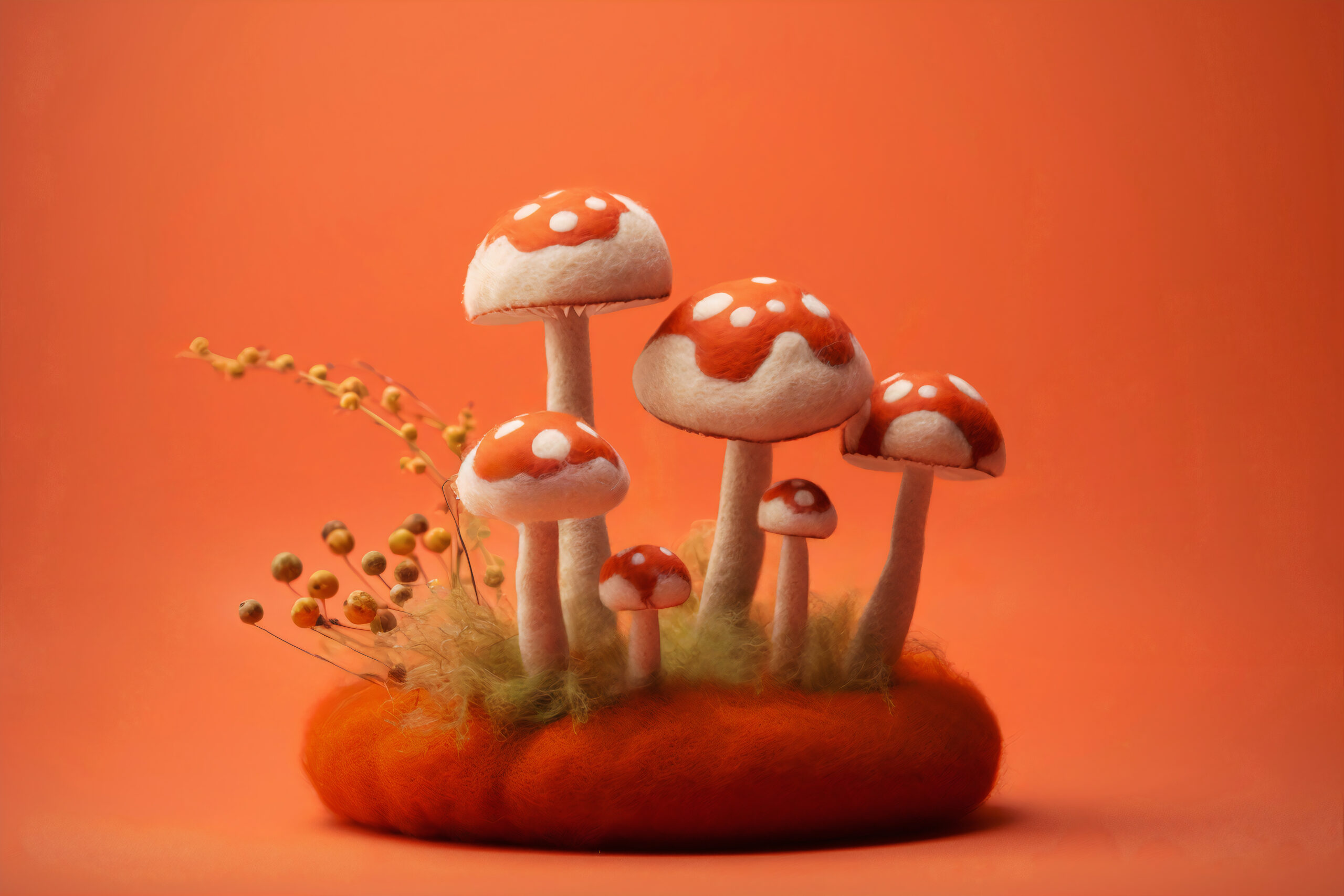
In recent years, the global conversation around psychedelics—particularly psilocybin, the hallucinogenic compound found in magic mushrooms—has taken a dramatic turn. While Western countries like the United States and Canada are seeing a wave of decriminalization efforts and clinical research, many Asian countries remain firm in their prohibition of such substances.
But should Asia stay out of the conversation? Or is there a need for a more nuanced approach to psilocybin, considering its potential medical benefits and the risks of recreational misuse?
A Psychedelic Shift in Global Perception
As Dr. Nora Volkow, Director of the U.S. National Institute on Drug Abuse (NIDA), aptly puts it: “We are in the middle of a rapidly evolving cultural, media, and legal landscape when it comes to psychedelics.” This shift is fueled by growing research into psilocybin’s potential for treating mental health disorders like depression, PTSD, and addiction. Clinical trials have shown promising results, leading to increasing public support for psilocybin-assisted therapy in some countries.
However, Asia’s response has been markedly different. With some of the strictest drug laws in the world, many governments in the region still classify psilocybin as a dangerous substance, making its possession and use a criminal offense. Despite this, underground use and online discussions about magic mushrooms are increasing, particularly among young people
The Reality of Psilocybin in Asia
Magic mushrooms grow naturally in many parts of Asia, particularly in tropical and subtropical regions like Thailand, Indonesia, Malaysia, and the Philippines. Some indigenous communities have historically used psilocybin-containing mushrooms in spiritual or healing rituals, much like their counterparts in the Amazon and Mexico. However, the modern legal framework in these countries has largely erased these traditional practices, categorizing psilocybin alongside more harmful synthetic drugs.
Thailand is one of the few Asian countries taking a progressive stance on psychedelics. Following its move to legalize medical cannabis, discussions around psychedelics have gained traction. In fact, there have been calls from researchers and advocates for controlled studies on psilocybin therapy. Similarly, in Japan, small-scale research is emerging, but psilocybin remains strictly illegal.
Potential Benefits: Hope for Mental Health Treatment
Research suggests that psilocybin could be a game-changer in mental health treatment. Depression and anxiety are rising concerns in many Asian countries, yet stigma around mental health care remains a significant barrier to treatment. Could psychedelics offer a breakthrough?
Studies from Western institutions have shown that psilocybin therapy can lead to rapid and sustained reductions in depression and anxiety, particularly for those who haven’t responded to traditional treatments. There’s also emerging evidence that it may help with addiction, including smoking cessation and alcohol use disorder—both growing public health issues in parts of Asia.
However, it’s important to distinguish between controlled medical use and recreational consumption. Taking psilocybin under clinical supervision is vastly different from using it unpredictably. Experts warn that self-medicating with psychedelics can lead to adverse effects, including hallucinations, paranoia, and even psychosis in vulnerable individuals.
The Risks of Recreational Use in Asia
Despite its potential benefits, psilocybin use outside medical settings carries serious risks. In countries where magic mushrooms remain illegal, those who seek them out often do so in unregulated environments, making them vulnerable to contamination, overdosing, or even legal consequences.
Some key risks include:
- Hallucinations and impaired judgment: Users may experience visual distortions, delusions, or an altered sense of reality, leading to dangerous behaviors like accidents or self-harm.
- Psychological distress: Some people experience extreme anxiety, panic, or paranoia, which can last even after the drug wears off.
- Legal consequences: Many Asian countries have zero-tolerance drug policies, and being caught with psilocybin can lead to severe penalties, including long prison sentences.
Recent cases in Southeast Asia highlight the dangers of unregulated psychedelic use. In countries like Indonesia and Singapore, where drug laws are strictly enforced, individuals caught with magic mushrooms have faced harsh legal repercussions. In other regions, there are increasing reports of travelers being arrested for possessing psilocybin, unaware of the legal risks.
The Need for Cautious Exploration
Given the promising research on psilocybin’s medical applications, should Asian countries reconsider their stance? Some experts argue that instead of outright criminalization, governments should allow for regulated research, similar to how cannabis is being explored for medical use in some regions.
A cautious approach could involve:
- Clinical trials: Allowing controlled research into psilocybin’s effects on mental health conditions prevalent in Asia.
- Public education: Raising awareness about the potential risks and benefits of psychedelics, so people don’t resort to unsafe self-experimentation.
- Legal differentiation: Distinguishing between medical and recreational use in drug policy discussions.
Conclusion: A Complex Conversation
Asia’s relationship with psychedelics is complex. While the region has historically used natural plant medicines for healing, modern drug policies have largely prohibited such substances. As global attitudes shift and more research emerges, there’s an opportunity for Asian countries to engage in a balanced conversation about psilocybin—one that acknowledges both its potential therapeutic benefits and its risks.
For now, the safest approach is to stay informed. If psilocybin is to have a future in Asia, it must be through evidence-based policies, not underground experimentation. The road ahead is uncertain, but the discussion has begun.










Related Posts



Stay Informed With the Latest & Most Important News
Previous Post
Next Post





Advertisement