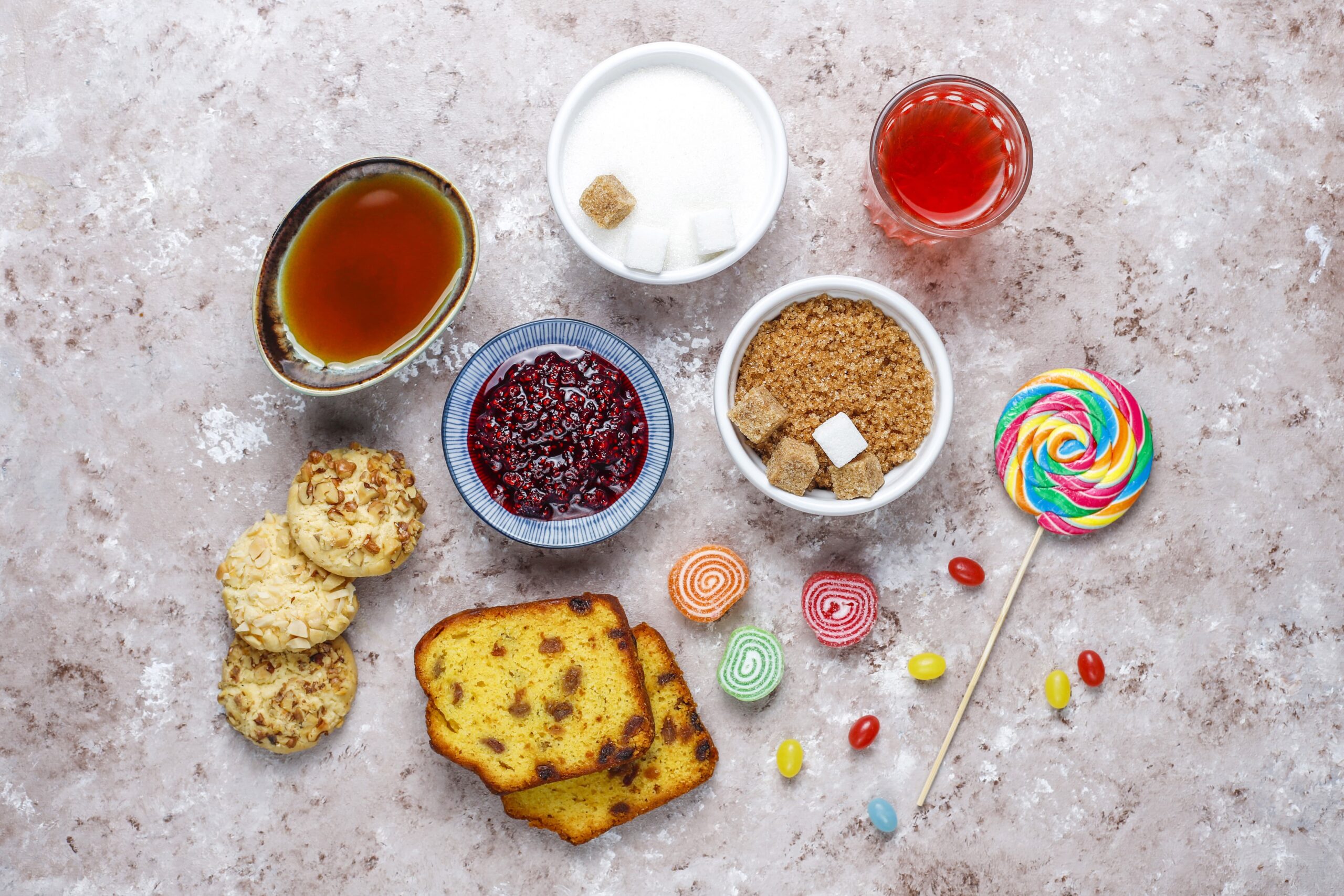
Sugar—a ubiquitous part of our daily lives—has evolved from being a simple additive to a powerful manipulator of human biology and behavior. Embedded in our celebrations, comfort foods, and even health products, sugar has become the silent contributor to a host of physical, emotional, and cognitive challenges. Its pervasive influence is often masked by its association with joy and indulgence, making it one of the most consumed substances in the modern world.
But what if this sweetness came at a cost far greater than we realized? What if sugar were not only addictive but also responsible for producing “fake dopamine” that keeps us hooked, while silently wreaking havoc on our bodies and minds?
The Sweet Trap: Sugar as a Celebration
From birthday cakes to wedding desserts, sugar has infiltrated our culture as the ultimate marker of joy and festivity. Marketing campaigns and societal norms have cemented sugar as the centerpiece of happiness:
- Celebration foods: Cakes, candies, and desserts are synonymous with moments of achievement and love.
- Emotional indulgence: A chocolate bar after a rough day is seen as self-care rather than an addictive cycle.
This association is no accident. The food industry has capitalized on sugar’s ability to stimulate the reward centers of our brain, creating an emotional bond that makes celebrations and sugary indulgences inseparable.
The Biochemical Hook: Sugar and Dopamine
Dopamine, the “feel-good” neurotransmitter, is the brain’s way of rewarding us for pleasurable activities. However, sugar hijacks this system by producing an artificial spike in dopamine levels. This “fake dopamine” creates a temporary sense of satisfaction, but over time, it desensitizes the brain’s reward system.
The Cycle of Sugar Addiction
- Initial High: Consuming sugar triggers a dopamine surge, making you feel great momentarily.
- Crash: Dopamine levels plummet, leaving you feeling irritable or fatigued.
- Craving: The brain demands another “fix” to restore the high.
- Dependency: Over time, larger amounts of sugar are needed to achieve the same dopamine hit.
This cycle closely mirrors drug addiction, where the brain becomes chemically reliant on the substance, leading to compulsive consumption despite negative consequences.
How Sugar Destroys Our Look
Excess sugar consumption does more than damage internal health—it also affects our physical appearance:
1. Premature Aging
Sugar accelerates aging by triggering a process called glycation, where sugar molecules attach to proteins in the skin, forming Advanced Glycation End Products (AGEs). This results in:
- Wrinkles
- Loss of skin elasticity
- Dull, sagging complexion
2. Acne and Skin Issues
Sugar spikes insulin levels, leading to inflammation that exacerbates acne and other skin conditions.
3. Weight Gain and Obesity
Excess sugar is stored as fat, particularly around the abdomen. This not only alters body shape but also increases the risk of chronic diseases.
How Sugar Destroys Our Organs
The damage sugar inflicts on internal organs is staggering:
1. Liver Damage
Excess sugar, especially fructose, is processed in the liver. Over time, this leads to:
- Fatty liver disease
- Increased risk of cirrhosis and liver failure
2. Heart Disease
High sugar intake increases triglycerides and lowers HDL (good cholesterol), contributing to:
- Hypertension
- Arterial blockages
- Increased risk of heart attacks
3. Pancreatic Strain and Diabetes
Frequent sugar consumption overworks the pancreas, leading to insulin resistance—a precursor to type 2 diabetes.
4. Kidney Damage
Sugar contributes to the development of kidney disease by straining these vital organs, especially in individuals with diabetes.
How Sugar Slows Down Our Faculties
The brain is highly sensitive to sugar, and excessive intake can compromise its functions in several ways:
1. Cognitive Decline
Research has linked high sugar consumption to:
- Memory problems
- Reduced learning ability
- Increased risk of Alzheimer’s disease
2. Energy Fluctuations
While sugar provides a quick energy boost, the subsequent crash results in:
- Fatigue
- Difficulty concentrating
3. Mood Instability
Sugar contributes to mood swings, anxiety, and even depression by disrupting the balance of brain chemicals.
How Sugar Manipulates Our Hormones
Hormonal balance is crucial for overall health, and sugar throws this delicate system into disarray:
1. Insulin Overload
Frequent sugar consumption causes spikes in insulin, eventually leading to insulin resistance and metabolic syndrome.
2. Leptin Resistance
Leptin, the hormone responsible for regulating hunger, becomes less effective with high sugar intake, leading to:
- Overeating
- Persistent hunger
3. Cortisol Imbalance
Sugar increases stress hormone levels, exacerbating anxiety and weakening the immune system.
4. Disrupted Sleep
High sugar levels interfere with melatonin production, leading to poor sleep quality and insomnia.
Breaking Free: Steps to Reduce Sugar Dependency
Overcoming sugar addiction is challenging but achievable. Here’s how:
1. Recognize Hidden Sugars
Sugar hides in many processed foods under names like high fructose corn syrup, maltose, and dextrose. Read labels carefully.
2. Gradual Reduction
Cut back slowly to avoid withdrawal symptoms. Replace sugary snacks with healthier alternatives like fruits or nuts.
3. Balance Blood Sugar
- Include protein and healthy fats in meals to stabilize blood sugar levels.
- Avoid refined carbohydrates that convert into sugar quickly.
4. Stay Hydrated
Sometimes cravings are mistaken for dehydration. Drink water before reaching for sugary snacks.
5. Practice Mindful Eating
Be aware of emotional triggers that lead to sugar cravings. Find alternative coping mechanisms, such as meditation or exercise.
Conclusion: Reclaiming Your Health
The sugar-laden lifestyle promoted by modern society may bring momentary pleasure but ultimately leads to physical, mental, and emotional turmoil. By recognizing the addictive nature of sugar and its harmful effects, we can make conscious choices to break free from its grip.
Your health and well-being are worth the effort. Start today by taking small steps toward reducing sugar in your diet, and rediscover the joy of living without the shackles of this sweet poison.